Water Filtration for the Food and Beverage Industry
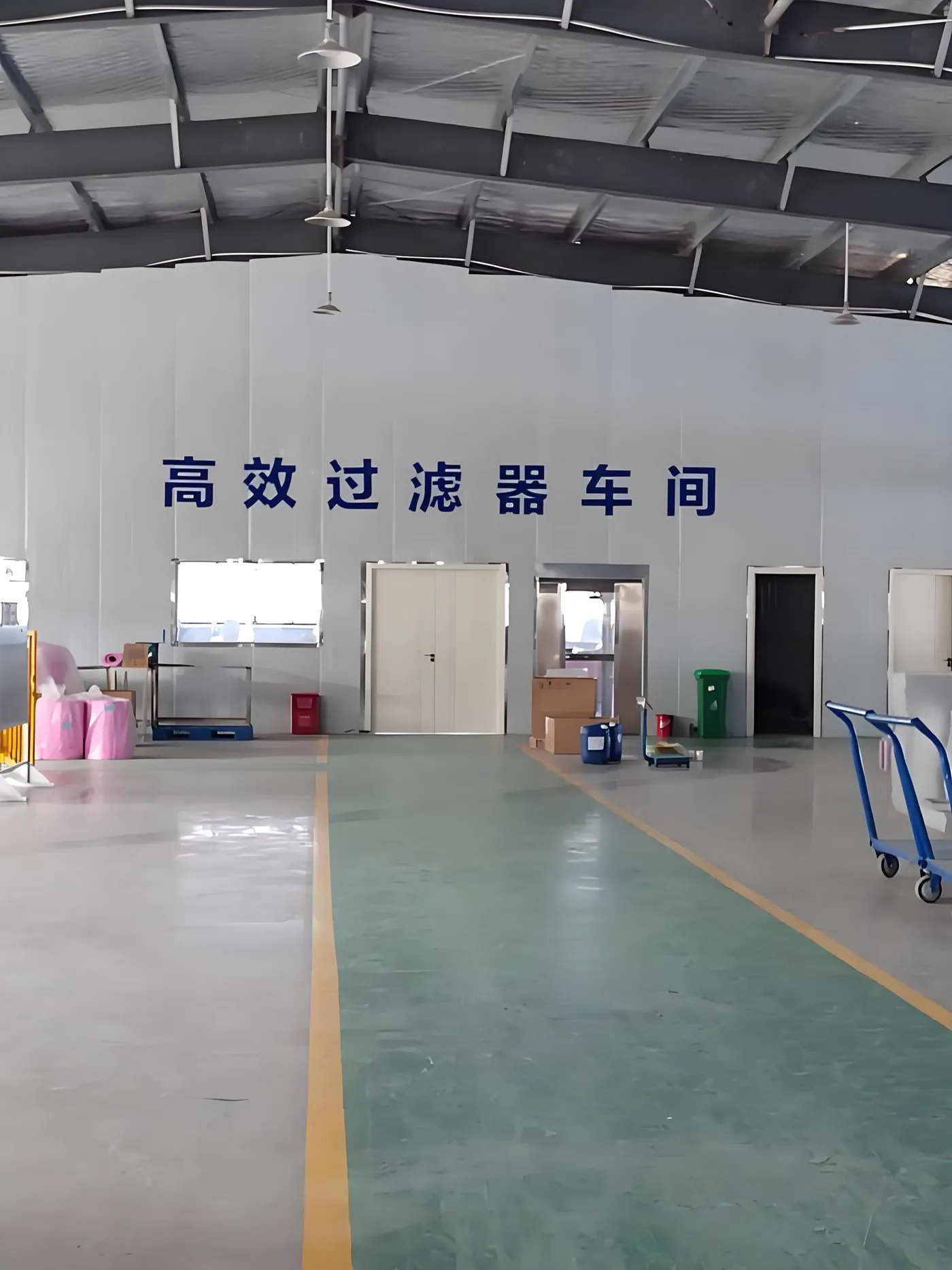
Water is the most important raw ingredient in the food and beverage industry. This page is written for buyers pricing water filtration for food and beverage industry applications — bottling lines, breweries, dairies, edible oils and ready meals — where the filter train has to satisfy an auditor as well as a process engineer. It makes up the majority of finished products from soft drinks and beer to soups and sauces, and it plays a critical role in cleaning, processing, and equipment operation throughout every production facility. The quality of water used directly affects product taste, appearance, shelf life, and safety. Meeting regulatory standards while maintaining consistent production quality requires thoughtfully designed filtration systems. This guide covers water filtration for the food and beverage industry end to end: the regulatory standards you will be measured against, the contaminants that actually damage product, and the stages that make up a complete food and beverage filtration solution.
Most of the questions we get about water filtration in food and beverage industry projects are the same three: what micron rating, how much carbon, and what documentation the buyer's quality team will ask for. The sections below answer them in that order.
Why Is Water Quality Critical in Food and Beverage Production?
The importance of water quality in food and beverage manufacturing cannot be overstated. In beverage production, water typically constitutes between 85 and 97 percent of the finished product. Any off-taste, odor, color, or contaminant in the water becomes an ingredient in the final product. Even at trace levels that would be undetectable in drinking water, certain compounds can cause significant quality issues in sensitive products like beer, wine, spirits, and soft drinks.
Chlorine and chloramines, which are commonly used for municipal disinfection, react with organic compounds in beverages to form chlorophenols and other compounds that produce medicinal or plastic-like off-flavors at concentrations as low as a few parts per billion. Iron and manganese cause discoloration and metallic tastes. Hardness minerals affect the clarity and stability of beverages and can cause scaling on processing equipment. Suspended solids create haze and provide nucleation sites for unwanted reactions.
For food processing applications, water quality affects everything from the texture of baked goods to the color of canned vegetables. Water used for washing, rinsing, and sanitation must be free of pathogens and suspended solids to prevent contamination. Steam generated from unfiltered water can carry impurities that deposit on product surfaces during cooking, drying, or sterilization processes. In short, the quality of your water directly determines the quality of your finished products.
Regulatory requirements add another layer of complexity. Food and beverage facilities in most countries must comply with regulations that specify maximum contaminant levels, monitoring requirements, and treatment standards for process water. In the United States, the FDA regulates bottled water and water used as an ingredient, while the USDA oversees water quality in meat, poultry, and egg processing facilities. Many countries reference the WHO Guidelines for Drinking-Water Quality as the baseline standard for food processing water.
What Are the Regulatory Standards for Food and Beverage Water Filtration?
Several regulatory frameworks govern water quality in food and beverage production depending on the region and specific product category. Understanding these standards is essential for designing compliant filtration systems.
| Standard/Regulation | Region | Scope | Key Requirements |
|---|---|---|---|
| FDA 21 CFR 165.110 | USA | Bottled water | Microbiological, physical, chemical, and radiological quality standards for bottled drinking water |
| FDA 21 CFR 129 | USA | Bottled water processing | Plant construction, sanitation, and processing requirements including filtration and disinfection |
| USDA FSIS Directive 5000.1 | USA | Meat & poultry plants | Potable water standards for process and cleaning water in inspected facilities |
| EU Drinking Water Directive 2020/2184 | EU | All food processing water | Microbiological and chemical parameters including lead, copper, and disinfection byproducts |
| WHO Guidelines | International | General reference | Comprehensive guideline values for microbial, chemical, and radiological contaminants |
| NSF/ANSI 42, 53, 61 | USA/Canada | Filtration equipment | Material safety, structural integrity, and contaminant reduction claims for water treatment devices |
| GMP (Good Manufacturing Practices) | All regions | Food processing | General facility and process requirements including water quality monitoring and recordkeeping |
Most food and beverage facilities must demonstrate that their process water meets or exceeds local drinking water standards at the point of use. This typically means implementing a water treatment system that removes or reduces contaminants to levels below regulatory limits, and maintaining documentation of water quality testing results, filter replacement schedules, and system maintenance records.
For facilities exporting products internationally, compliance with multiple regulatory frameworks is often necessary. A beverage plant in Southeast Asia exporting to the European Union, for example, must meet both local standards and the EU Drinking Water Directive requirements for any water used in production. Working with filtration suppliers who understand international compliance requirements can simplify this process significantly.
What Filtration Solutions Are Required for Different Food and Beverage Segments?
In practice, food and beverage water treatment is not one decision but four: what you are removing, to what limit, at what flow rate, and under what cleaning regime. Those four answers produce a very different system in a brewery than in a bottling line, even when the incoming water is identical. Water treatment in the beverage industry also has to satisfy two audiences at once — the taste panel and the auditor — and a solution that satisfies only one of them will not survive its first inspection.
Different segments of the food and beverage industry have specific water quality needs that drive their filtration requirements. Here is a breakdown by major segment.
Bottled Water and Beverage Production
Bottled water production requires the highest level of water filtration. A typical treatment train includes multi-media filtration for suspended solids removal, activated carbon filtration for chlorine, chloramine, and organic compound removal, cation and anion exchange for dissolved mineral adjustment, reverse osmosis for dissolved solids reduction, and ultraviolet disinfection for microbial control. Ozone injection or other final disinfection steps are added before bottling. The exact configuration depends on the source water quality and the target product profile. Spring water producers focus more on particulate and microbial removal while minimizing mineral changes, whereas purified water producers use RO to strip virtually all dissolved solids before re-mineralizing to a target profile.
Soft drink producers have similar requirements but with additional attention to carbon filtration effectiveness. The threshold for chlorine in soft drink water is extremely low, typically below 0.1 ppm, because chlorine reacts with flavor compounds and sweeteners. Most soft drink bottlers use dual carbon filters in series with regular carbon replacement schedules tied to throughput volume rather than time. Sediment filtration before the carbon extends carbon life by preventing particulate buildup on the carbon media surface.
Brewery Applications
Brewing is one of the most water-quality-sensitive production processes. Brewery water typically needs specific mineral profiles for different beer styles, and even minor variations in water chemistry can dramatically affect fermentation, flavor, and clarity. The standard brewery filtration train begins with sediment and carbon filtration for chlorine and particulate removal. Many breweries then add reverse osmosis to create a consistent base water that can be re-mineralized to the exact profile needed for each beer recipe. Important minerals for brewing include calcium (for enzyme activity and yeast flocculation), magnesium (for yeast health), sulfate (for hop bitterness perception), and chloride (for malt character).
Beyond process water, breweries also require filtration for several other streams. Hot water for brewing reduces sensitivity to hardness, but carbon filtration is still needed for chlorine removal. Boiler feed water requires softening or RO to prevent scale on heating surfaces. CIP (clean-in-place) rinse water must be free of particulates and microorganisms. Wastewater from breweries often needs pH adjustment and solids removal before discharge or municipal sewer acceptance. Jingze Water supplies filter cartridges and housings for all stages of brewery water treatment.
Food Processing and Preparation
Food processing applications have diverse water quality requirements depending on the specific product. Canning and freezing operations use water for washing, blanching, cooling, and conveying products. These applications need effective sediment filtration to remove particles that could carry microorganisms or cause quality defects. Cooling water often requires scale control to prevent fouling of heat exchangers and cooling towers.
In dairy processing, water quality directly affects product safety and equipment life. Cheese production, milk processing, and yogurt manufacturing all require water that is free of pathogens, chlorine (which can affect starter cultures), and minerals that could cause fouling of pasteurization equipment. Many dairy facilities use a combination of sediment filtration, carbon filtration, water softening, and UV disinfection. The CIP systems used extensively in dairy processing require filtered water for the final rinse stages.
Which Contaminants Matter Most — and What They Do to Your Product
Most filtration problems in food plants are not caused by exotic contaminants. They come from eight ordinary ones, and each one damages a different aspect of the product. Use this table to match a quality complaint to the contaminant behind it before you change the filtration train.
| Contaminant | Where it comes from | What it does to the product | Treatment that works |
|---|---|---|---|
| Chlorine | Municipal disinfection | Reacts with phenols to form chlorophenols — medicinal or plastic off-flavour at parts-per-billion levels; inhibits yeast in fermentation | Activated carbon (block or GAC) |
| Chloramine | Municipal disinfection (increasingly common — it is more persistent than chlorine) | Same off-flavours as chlorine but far harder to remove; standard carbon exhausts quickly | Catalytic carbon, sized for longer contact time |
| Hardness (calcium, magnesium) | Groundwater, limestone geology | Scale on heat exchangers, pasteurisers and boilers; pH shift in the mash; haze and chill-haze in beer | Ion-exchange softener ahead of the process |
| Iron and manganese | Boreholes and well water | Metallic taste, brown or black discolouration, staining on product and equipment, feeds iron bacteria | Oxidation followed by filtration; fine filtration plus carbon for low levels |
| Organic matter (TOC) | Surface water, mains supply | Colour, musty or earthy taste, precursor for disinfection by-products, shorter shelf life | Carbon block or GAC with adequate contact time |
| Suspended solids and turbidity | Mains disturbance, wells, pipework | Visible haze and sediment, nucleation sites for flavour degradation, premature fouling of membranes downstream | PP melt blown 25 μm down to 1 μm; pleated cartridges for higher flow |
| Micro-organisms | Source water, biofilm in pipework and tanks | Spoilage, food-safety risk, off-flavours, failed micro counts on finished product | 0.2 μm absolute membrane plus UV at 254 nm; chemical sanitation of the loop |
| Dissolved salts, silica, nitrate | Groundwater, agricultural runoff | Mineral taste change, silica scaling inside RO and on fill lines, nitrate limits in infant and baby products | Reverse osmosis (4040 or 8040 elements); selective ion exchange for nitrate only |
Two of these deserve a warning. First, chloramine is not chlorine — a system designed for chlorine will pass chloramine through, and the off-flavour arrives weeks later when the carbon is exhausted. If your utility has switched to chloramine and nobody told you, ask. Second, part-per-billion matters: a compound that is completely undetectable in a glass of water can be obvious in a finished beverage, because you have removed the dilution that drinking water normally gets from the rest of a meal.
How Do You Design a Multi-Stage Filtration System for Food Processing?
Designing a multi-stage filtration system for food and beverage applications requires careful consideration of source water quality, target water quality, flow rates, and regulatory requirements. A typical system includes four or more stages, each addressing specific contaminants.
The first stage is pre-filtration. This removes larger suspended solids to protect downstream equipment. Multi-media filters with layers of sand, garnet, and anthracite are common for high-flow applications. For smaller systems or facilities with relatively clean source water, 20-50 micron Big Blue sediment filters serve the same purpose with lower capital cost. The pre-filtration stage should reduce turbidity to below 1 NTU to protect the carbon and RO stages.
The second stage is carbon filtration. Granular activated carbon (GAC) or carbon block filters remove chlorine, chloramine, taste, odor, and organic compounds that could affect product quality or foul downstream membranes. GAC filters with adequate contact time are the standard for beverage applications because they provide the most thorough dechlorination. Typical empty-bed contact time (EBCT) for dechlorination is 5-10 minutes, which translates to a substantial vessel volume for high flow rates. Carbon block cartridges can be used for smaller systems but may have shorter service life.
The third stage is polishing or conditioning. Depending on the application, this can include water softening for hardness reduction, ion exchange for specific mineral removal, antiscalant dosing for scale control, or cartridge filtration for final particulate removal. For facilities using RO, this stage may include a 1-5 micron cartridge guard filter before the membrane feed pump.
The fourth stage is the primary treatment stage. For bottled water and many beverage applications, this means reverse osmosis. For breweries, it may be RO followed by mineral dosing. For simpler food processing applications where only particulate and chlorine removal are needed, the carbon and sediment stages may be sufficient without RO. The design decision depends on the target water quality specifications for the specific products being manufactured.
The final stage is disinfection. UV sterilizers, ozone generators, or chlorine injection systems provide microbiological control at the point of use. UV is the most common choice for downstream applications because it adds no chemicals to the water and effectively inactivates bacteria, viruses, and protozoa. The UV dose must be adequate for the flow rate and water clarity. A UV transmittance monitor upstream of the UV system ensures that the filter stages are performing adequately to maintain disinfection effectiveness.
What Each Stage in a Food-Grade System Actually Does
Most food and beverage plants end up with a train of four to six stages rather than one filter, because no single cartridge removes sediment, chlorine, hardness and bacteria at once. The table below is the practical running order, with what each stage is protecting against and how you know it needs changing. Replacement intervals are typical ranges for municipal-quality feed water — your own interval should be set by pressure differential and by testing, not by the calendar alone.
| Stage | Cartridge or media | Typical rating | Removes | Change when |
|---|---|---|---|---|
| 1. Pre-filtration | PP melt blown cartridge | 25 μm down to 5 μm | Sand, rust, pipe debris, mains sediment. Protects the carbon stage and everything after it. | ΔP rises by about 1 bar over clean, or 1–3 months |
| 2. Dechlorination and organics | Carbon block (GAC for very high flow) | 5–10 μm nominal plus adsorption | Chlorine, chloramine (catalytic carbon), taste and odour compounds, TOC, some colour | 3–6 months, or sooner if chloramine breakthrough is detected |
| 3. Hardness removal | Strong-acid cation ion-exchange softener | Not a filter rating — resin bed | Calcium and magnesium, protecting heat exchangers, pasteurisers and RO membranes | Resin 3–5 years; salt regenerant checked weekly |
| 4. Fine and microbiological | Pleated cartridge, or PES membrane for sterilising grade | 1 μm nominal down to 0.2 μm absolute | Cysts, bacteria, haze-forming particles, carbon fines carried over from stage 2 | 3–12 months; 0.2 μm absolute elements sooner if integrity testing fails |
| 5. Dissolved salts, if required | RO elements (4040 or 8040) | Typically over 99% rejection of dissolved ions | Total dissolved solids, nitrate, silica, sulphate, residual hardness escaping the softener | Membrane 2–3 years, monitored by normalised flow and salt passage |
| 6. Disinfection, if required | UV at 254 nm, or chemical dosing | Not a filter — dose based | Residual micro-organisms downstream of filtration, and the loop itself | UV lamp annually, and when the intensity monitor alarms |
Two design points that decide whether this train works in practice. Put the carbon before the fine filter, never after it. Carbon blocks shed fines when they are new, and the fine stage downstream is what catches them — if you reverse the order, that carry-over goes into your product. And size the carbon by contact time, not by micron rating. A 5 μm carbon block that is too short for the flow will pass chlorine even when it is brand new, because adsorption needs residence time on the carbon surface; the micron number tells you nothing about that.
If your plant runs a high-flow line, the pre-filtration and carbon stages move to pleated cartridges or a high-flow cartridge, and the housing becomes the constraint on how large a single element can be.
What Role Does Taste and Odor Control Play in Beverage Filtration?
Taste and odor control is arguably the most important function of filtration in the beverage industry. Consumers are extremely sensitive to off-flavors in beverages, and even trace contaminants that would go unnoticed in tap water can ruin a finished product. The primary tool for taste and odor control is activated carbon filtration, but the specific carbon type, contact time, and system design all affect performance.
Activated carbon removes taste and odor compounds through adsorption, where molecules adhere to the extensive surface area within the porous carbon structure. A single gram of activated carbon can have a surface area of 500 to 1,500 square meters. The carbon is typically made from coconut shell, coal, or wood, with coconut shell carbon being the preferred choice for food and beverage applications because of its hardness, low ash content, and efficient pore structure for small molecule adsorption.
The contaminants that most commonly affect beverage taste and odor include chlorine and chloramines, geosmin and 2-methylisoborneol (MIB) which cause earthy or musty flavors at parts-per-trillion levels, phenols that create medicinal flavors, hydrogen sulfide producing rotten egg odor, and volatile organic compounds (VOCs) from industrial or agricultural runoff. Carbon filtration, when properly designed and maintained, can reduce all of these to below detectable levels.
Carbon filters in beverage applications require more vigilant replacement schedules than in other applications. The carbon becomes saturated with adsorbed compounds over time and eventually begins to release them back into the water, a phenomenon called breakthrough. The time to breakthrough depends on flow rate, contaminant concentration, carbon type, and carbon volume. Many beverage producers use dual carbon filters in series, replacing the lead filter on a schedule and rotating the lag filter to the lead position. This ensures uninterrupted protection and consistent water quality.
After carbon filtration, most beverage producers conduct taste testing at regular intervals to confirm that off-flavors are not present. Some larger facilities use online total organic carbon (TOC) analyzers or chlorine sensors to continuously monitor carbon filter performance and trigger replacement at the first sign of breakthrough.
Absolute vs Nominal Micron Rating — Why "1 Micron" Means Nothing on Its Own
This is the single most common specification mistake in food and beverage filtration, and it costs plants real money in recalls. Two cartridges can both be sold as "1 micron" and behave completely differently, because the number is quoted against two different definitions.
| Aspect | Nominal rating | Absolute rating |
|---|---|---|
| What it means | A stated percentage of particles at that size is retained — but the percentage is set by the manufacturer and is often not published | A tested, defined efficiency at that size, typically 99.9% or better (beta ratio 1000 and above) |
| Comparable between suppliers? | No. A "1 μm nominal" from one factory can be coarser than a "5 μm nominal" from another. | Yes, if the test method is stated |
| Passes bacteria? | Usually yes — nominal ratings are not a microbial barrier | 0.2 μm absolute is sterilising grade and does retain bacteria |
| Where it belongs | Sediment and pre-filtration, where the job is protecting downstream stages | Anywhere a micro or clarity claim has to be defended to an auditor |
Efficiency is normally expressed as a beta ratio: the number of particles at or above the stated size upstream, divided by the number downstream. A beta ratio of 200 means one particle gets through for every 200 arriving — 99.5% removal. A beta ratio of 1000 means 99.9%. When a supplier quotes "absolute", ask which beta value the claim is based on and what challenge test was used; a number without a method is a marketing number.
For any product where a micro specification appears on the finished-goods certificate, specify 0.2 μm absolute at the final stage and integrity-test the elements — a PES membrane cartridge is the usual choice because it is hydrophilic and binds very little protein, so it does not blind over as quickly as a hydrophobic membrane in a beverage line. For gas and chemical filtration instead of water, the reverse is true and a hydrophobic PTFE membrane is correct. The selection logic is set out in more detail in our micron rating selection guide.
Clean-in-Place Compatibility — the Question Buyers Forget to Ask
A filtration system in a food plant is not a clean system by default. It lives inside a plant that is cleaned with hot caustic and acid on a fixed cycle, and cartridges that were perfectly rated for the product can be destroyed by the cleaning regime within a few months. Ask about CIP compatibility before you place the order.
Food plants typically clean with 1–3% sodium hydroxide at 60–80 °C, followed by an acid wash and a rinse. Not every cartridge construction survives that combination, and the rating on the datasheet will not tell you:
- Polypropylene end caps, cores and media handle caustic well and are the standard choice for food and beverage work. Continuous temperature limit is the constraint — check it in writing against your CIP temperature.
- PES membrane has good resistance across the pH range and is the usual membrane choice where caustic CIP is routine.
- PTFE is the most chemically inert option and is what you move to when the cleaning chemistry is aggressive or the temperature is high.
- The housing matters as much as the cartridge. Specify 316L stainless steel for product-contact housings; 304 is acceptable for utility water but is the wrong choice where chlorides are present.
Many plants simply bypass the fine filtration during CIP and only return flow to the cartridges at the final rinse. That is a legitimate design, but it has to be designed — with a bypass loop and valves — rather than discovered by an operator at 2 a.m. If you tell us your cleaning cycle (chemical, concentration, temperature, duration), we will confirm which cartridge construction is rated for it rather than leaving you to find out.
How Does Filtration Affect Shelf Life and Product Stability?
Filtration quality directly impacts the shelf life and stability of food and beverage products. In beverages, suspended solids can catalyze chemical reactions that cause flavor degradation, color changes, and haze formation over time. Removing these particles through proper filtration extends product shelf life by eliminating nucleation sites for unwanted reactions.
Microbiological filtration is particularly important for shelf-stable products. While pasteurization or chemical preservatives may be the primary microbial control method, pre-filtration that reduces the microbial load entering the production process reduces the burden on the final preservation step. For products packaged without preservatives or thermal processing, sterile filtration using 0.2 or 0.45 micron absolute-rated filters is the critical quality control step that enables ambient-temperature shelf stability.
Cross-flow membrane filtration such as microfiltration (MF) and ultrafiltration (UF) is increasingly used in the dairy and beverage industries to extend shelf life while preserving fresh taste characteristics. These processes remove bacteria and some proteins while allowing sugars, minerals, and flavor compounds to pass through. The result is a product with the fresh taste of refrigerated dairy but significantly extended refrigerated shelf life. Jingze Water supplies UF and MF membrane elements for these applications in addition to conventional depth filtration products.
Frequently Asked Questions
Why Is Water Quality Critical in Food and Beverage Production?
The importance of water quality in food and beverage manufacturing cannot be overstated. In beverage production, water typically constitutes between 85 and 97 percent of the finished product. Any off-taste, odor, color, or contaminant in the water becomes an ingredient in the final product. Even at trace levels that would be undetectable in drinking water, certain compounds can cause significant quality issues in sensitive products like beer, wine, spirits, and soft drinks.
What Are the Regulatory Standards for Food and Beverage Water Filtration?
Several regulatory frameworks govern water quality in food and beverage production depending on the region and specific product category. Understanding these standards is essential for designing compliant filtration systems.
What Filtration Solutions Are Required for Different Food and Beverage Segments?
Different segments of the food and beverage industry have specific water quality needs that drive their filtration requirements. Here is a breakdown by major segment.
How Do You Design a Multi-Stage Filtration System for Food Processing?
Designing a multi-stage filtration system for food and beverage applications requires careful consideration of source water quality, target water quality, flow rates, and regulatory requirements. A typical system includes four or more stages, each addressing specific contaminants. The first stage is pre-filtration. This removes larger suspended solids to protect downstream equipment. Multi-media filters with layers of sand, garnet, and anthracite are common for high-flow applications.
What Role Does Taste and Odor Control Play in Beverage Filtration?
Taste and odor control is arguably the most important function of filtration in the beverage industry. Consumers are extremely sensitive to off-flavors in beverages, and even trace contaminants that would go unnoticed in tap water can ruin a finished product. The primary tool for taste and odor control is activated carbon filtration, but the specific carbon type, contact time, and system design all affect performance. Activated carbon removes taste and odor compounds through adsorption, where molecules adhere to the extensive surface area within the porous carbon structure.
How Does Filtration Affect Shelf Life and Product Stability?
Filtration quality directly impacts the shelf life and stability of food and beverage products. In beverages, suspended solids can catalyze chemical reactions that cause flavor degradation, color changes, and haze formation over time. Removing these particles through proper filtration extends product shelf life by eliminating nucleation sites for unwanted reactions. Microbiological filtration is particularly important for shelf-stable products.
What micron rating should I use for beverage water filtration?
Use nominal ratings for pre-filtration and absolute ratings wherever a clarity or microbiological claim has to be defended. A typical beverage train runs 5-25 micron PP melt blown pre-filtration, a 5-10 micron carbon block for chlorine, taste and odour, and a final stage of 1 micron pleated or 0.2 micron absolute PES membrane. The final stage should always be specified as absolute, with the beta ratio and test method stated, because nominal ratings are not comparable between suppliers and are not a microbial barrier.
Do I need activated carbon or catalytic carbon?
Use standard activated carbon if your municipal supply is disinfected with free chlorine. Use catalytic carbon if it is disinfected with chloramine, which is increasingly common. Catalytic carbon is designed to break the chloramine molecule apart, while standard activated carbon has a much lower capacity for it and exhausts quickly without any visible change. If you are unsure which disinfectant your utility uses, ask them, or test the inlet water for total and free chlorine - a large gap between the two indicates chloramine.
Can the same cartridges be used for cleaning water as for product water?
Not automatically. Cleaning chemicals are usually 1-3% sodium hydroxide at 60-80 degrees C followed by an acid wash, and not every cartridge construction is rated for that combination. Polypropylene and PES handle caustic well; PTFE is the choice for aggressive chemistry or high temperature. Many plants install a bypass so the fine filtration is isolated during clean-in-place and only sees the final rinse. Confirm the temperature and pH limits in writing before relying on a cartridge in a CIP loop.
How often should water filters be changed in a food and beverage plant?
Set the interval from pressure differential and water testing rather than from the calendar. Pre-filtration is normally changed when the differential pressure rises by about 1 bar over its clean value, which in practice is every 1 to 3 months on municipal water. Carbon blocks are typically changed every 3 to 6 months, and sooner if chlorine or chloramine breakthrough is detected downstream. Final membrane elements run 3 to 12 months, and 0.2 micron absolute elements should be replaced when integrity testing fails. Record every change - auditors ask for the log.
Conclusion: What Water Filtration Does the Food and Beverage Industry Need?
Water filtration in the food and beverage industry is not optional. It is a fundamental process step that directly determines product quality, safety, consistency, and shelf life. From the sediment and carbon pre-treatment that forms the first barrier against contaminants to the advanced membrane and disinfection systems that deliver final product quality, every stage of filtration contributes to the end result. Understanding the specific water quality requirements of your products, complying with applicable regulatory standards, and partnering with a filtration supplier who understands the technical demands of the food industry are all essential to success. Jingze Water provides filtration solutions designed specifically for food and beverage applications, backed by technical expertise to help you design, implement, and maintain systems that deliver consistent quality.